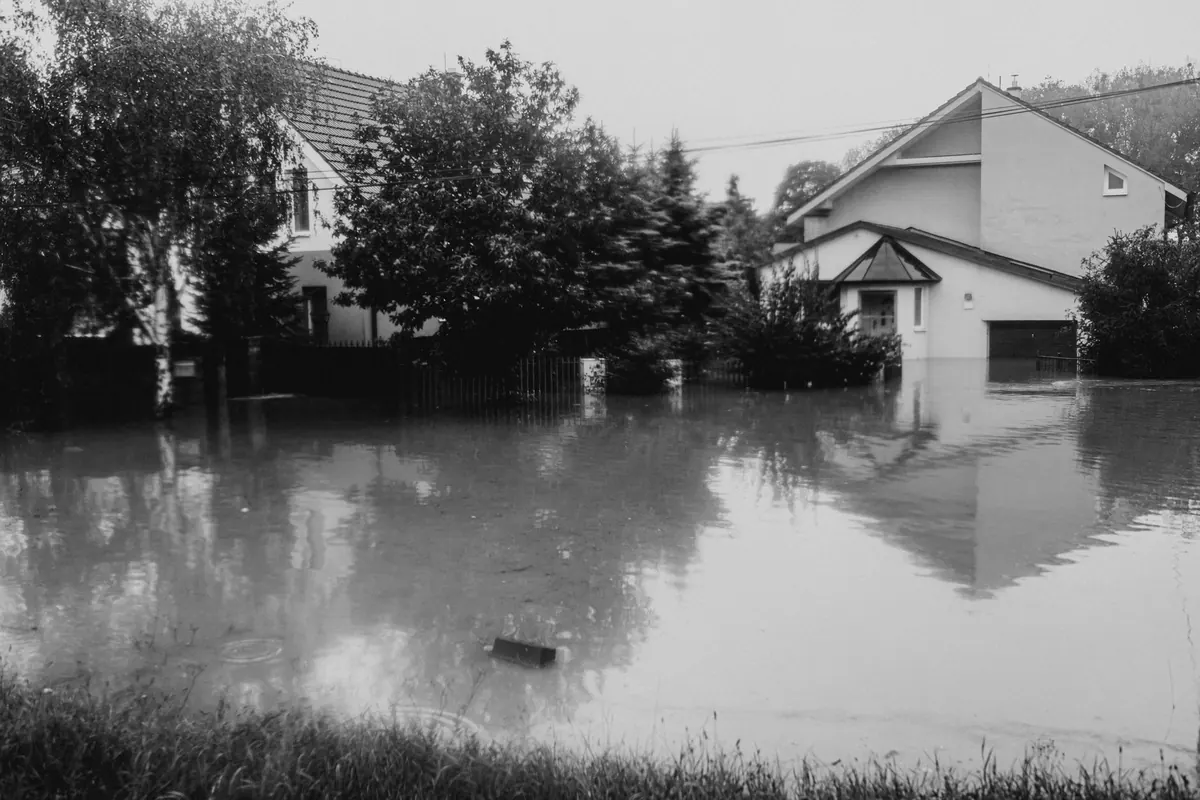
Norfolk is a city built on water, and the water has opinions. Anyone who has lived here more than a season has a story: a car flooded on an ordinary commute, a first-floor apartment that took on an inch during a full-moon high tide, a street that turns into a river after twenty minutes of hard rain. Flood zones sound like bureaucratic shorthand, but they decide what insurance you are required to carry, what you should ask before signing a lease, and how quickly you need to move your car when the forecast turns.
Start With the Map, Not the Forecast
Almost every conversation about flood risk in the United States begins with the Federal Emergency Management Agency's Flood Insurance Rate Maps. These maps sort land into zones based on the estimated chance of flooding in any given year. The one that matters most is the Special Flood Hazard Area, often called the 100-year floodplain.
That name confuses nearly everyone. A "100-year flood" is not a flood that happens once a century. It is a flood with a 1 percent chance of happening in any single year — which means a property in that zone has roughly a one-in-four chance of flooding during a 30-year mortgage. Water does not check the calendar.
- Zone AE and Zone A: The 1 percent annual chance floodplain, where flood insurance is generally required for federally backed mortgages. AE zones come with detailed base flood elevations; A zones do not.
- Zone VE: Coastal high-hazard areas exposed to wave action and storm surge. Building rules here are strict, and premiums reflect that.
- Shaded Zone X: The area with a 0.2 percent annual chance of flooding — sometimes called the 500-year floodplain. Insurance is not required, but it is often worth pricing.
- Unshaded Zone X: Outside the mapped high-risk areas. Low risk is not no risk, and rainfall-driven flooding does not always show up on the map.
The maps are also snapshots. They get revised, and the ground truth in a neighborhood — a new drainage project, a raised road, a subdivision built uphill — can shift long before the paperwork catches up.
What Your Zone Means for Insurance
If you own the property
If your home sits in a Special Flood Hazard Area and you have a federally backed or federally regulated mortgage, your lender will require flood insurance. You can buy it through the National Flood Insurance Program or through a private carrier, and comparing both is worth the phone calls. Keep in mind that these policies typically have a waiting period of about 30 days before coverage starts, so buying the day a storm is named does not work.
Pricing has changed in recent years. Rates are now based more heavily on the individual property — elevation, distance to water, replacement cost, the type of flooding you face — rather than almost entirely on the zone letter. An elevation certificate, which documents how high your lowest floor sits relative to the base flood elevation, can meaningfully affect what you pay. Ask your agent whether one is on file for your address.
One more thing homeowners routinely miss: a standard homeowners policy does not cover flood. It never has. Water rising from the ground is a separate product.
If you rent
Your landlord's policy covers the building. It does not cover your couch, your laptop, your clothes, or the deposit you will not get back if the unit is uninhabitable. Standard renters insurance usually excludes flood damage too, so you generally need a separate contents flood policy — and in a high-risk zone, that coverage is often less expensive than people assume.
Before signing a lease, ask directly: Has this unit flooded? How high did the water get, and how did it enter? Is the building in a Special Flood Hazard Area? Does the landlord carry flood insurance, and is there a plan if the unit becomes unlivable? Get the answers in writing, by email if nothing else. Disclosure rules vary by state and by transaction, so if you are buying and something about past flooding feels vague, talk to a real estate attorney before you close.
Five Minutes at Your Address
- Look up the property on FEMA's Flood Map Service Center to see the current zone and any base flood elevation for your street.
- Check the city's stormwater and resilience pages for local mapping tools, drainage projects and known trouble spots that federal maps may not reflect.
- Compare your lowest floor to the base flood elevation if you can find both numbers. The gap between them tells you more than the zone letter does.
- Get an insurance quote before you commit to a lease or a closing, not after. Ask what the premium looks like with and without an elevation certificate.
- Photograph your street during the next known high-water event. That image is useful when you talk to an adjuster later.
A Practical Checklist Before the Water Comes
- Sign up for the city's emergency alert system so warnings reach your phone, not just the local news.
- Know where you can park on higher ground and move vehicles early. Standard emergency guidance is blunt about this: six inches of moving water can knock an adult off their feet, and far less than two feet can float a car.
- Never drive through a flooded street. You cannot see the roadbed, and the roadbed may no longer be there.
- Keep birth certificates, deeds, insurance policies and prescriptions in a waterproof container or as cloud copies.
- Walk through your home once a year with your phone camera running. It takes ten minutes and settles arguments with adjusters.
- Store valuables above the ground floor. If you are renovating, talk to a contractor about elevating utilities and mechanical systems.
- Keep a go-bag with medication, chargers, a flashlight and copies of key documents.
- Trade phone numbers with the neighbors on both sides. In a real event, they are your fastest warning system.
After a Flood: The First 48 Hours
Do not wade into standing water indoors or out. It can carry sewage, chemicals and live electrical current. If you had to evacuate, wait for official word that it is safe to return.
Before you clean anything, photograph and video everything — walls, floors, furniture, the waterline on the drywall. Keep damaged items until an adjuster has seen them, even the ones you are desperate to drag to the curb. Then file your claim and keep a written log of every call, name and date. Dry the structure out fast; mold can begin taking hold within a day or two, and if the damage is extensive, bring in a professional rather than borrowing a shop vac.
Be wary of contractors who appear at your door the day after a flood. Verify licensing, get written estimates, and never pay in full up front.
Where to Get Straight Answers
Start with your insurance agent, who can pull the zone and quote real numbers for your address. The city's stormwater office handles drainage questions and local mapping. If a claim or a policy decision seems wrong, Virginia's Bureau of Insurance, part of the State Corporation Commission, runs a consumer services division that can help you sort out what you are entitled to.
Nothing here replaces advice from a licensed insurance professional, attorney or contractor who can look at your specific property — flood risk is stubbornly local, and two houses on the same block can have very different stories.
The map is a starting point, not a verdict. Read it, ask hard questions, buy the coverage before you need it, and know your route to higher ground. In a city shaped by tidewater, that is not pessimism. It is just good neighborly sense.