Saturday morning in Norfolk gives you two carts to choose from: the one you wheel down a supermarket aisle, and the one you carry between stalls. Both get dinner on the table, but they do it in very different ways. Knowing which one wins on price, which one wins on freshness, and which one actually fits the week you're having is most of the decision.
What Each Place Does Best
Supermarkets are built for completeness. You can buy bananas, dish soap, a rotisserie chicken and a birthday card in one loop, at hours that suit shift work and school runs. Their produce is chosen to survive shipping and sit on a shelf for days, which is why a supermarket tomato can look flawless and taste like very little.
Farmers markets are built for season and proximity. A grower who picked beans that morning has no reason to choose a variety that travels well, so they choose one that tastes good. You also get something a shelf label can't offer: a person who can tell you which squash is best for roasting and which one is already past its peak.
The mistake is treating it as a rivalry. It's a division of labour.
The Price Picture, Item by Item
Prices shift with weather, fuel, harvest timing and how many growers show up on a given Saturday. Treat any comparison as a pattern rather than a rule, and check it against your own receipts for a few weeks.
Where markets usually win
- Produce at its absolute peak — the week tomatoes, sweetcorn or strawberries are pouring in, stalls often undercut supermarket prices because there's simply too much to sell.
- Bulk buys: a full flat of berries, a half-bushel of peppers, a large bunch of greens. Buying volume is where the math turns.
- End-of-day deals. Stallholders would rather sell than pack it back into the van, so the last hour can be kind to your wallet.
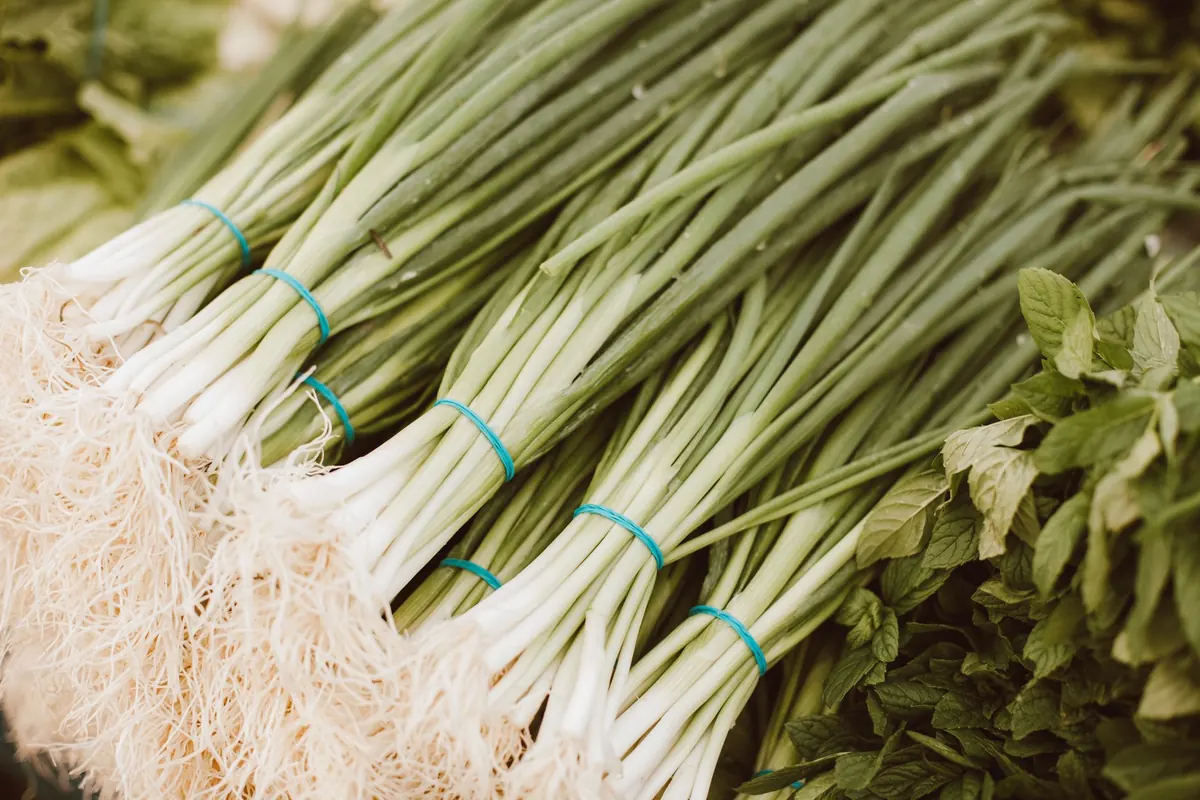
- Herbs. A supermarket punnet costs more per leaf than a generous bunch from a grower.
Where supermarkets usually win
- Out-of-season produce. If you want citrus in July or asparagus in December, the market can't help and the supermarket will be cheaper.
- Pantry goods, dairy, frozen food and household basics, where own-brand ranges and multi-buys are hard to beat.
- Predictable pricing. You know what a kilo of onions costs before you leave the house.
One hidden cost cuts the other way: market trips are slower, and slower shopping tends to mean more browsing, more conversation and more impulse buying. Budget for the pleasure, or it stops being a saving.
Freshness Is Measured in Hours, Not Labels
"Fresh" on a supermarket package generally means it left the field recently enough to still be good after transport and display. At a market, it can mean it was cut this morning. That gap shows up in texture — crisp stems, tight heads, dry cut ends — and in how long things keep in your fridge.
But proximity isn't a guarantee. A stall that's been sitting in direct sun since dawn will have wilted greens by noon and bruised peaches by one o'clock. Use your senses rather than the setting:
- Pick up the item. Heavy for its size usually means more water and better flavour.
- Check the cut end. Brown, dried or slimy stems mean it's been off the plant a while.
- Smell it. Herbs, melons and tomatoes should smell like themselves.
- Skip anything with soft patches, split skins or a wet look on the underside.
Ask two questions and you'll learn more than any label tells you: when was this picked, and how do you cook it? Growers answer both without flinching.
Convenience, Honestly Assessed
Supermarkets win on time, hours and weather resistance. They're open when you finish work, they have trolleys and parking, and they don't close because of a downpour. If you're shopping for a family on a Tuesday night, that matters more than heirloom varieties.
Markets win on the experience of shopping — talking to the person who grew your food, tasting before you buy, and coming home with something you wouldn't have chosen on your own. They're also better for a short, targeted trip. You can be in and out with four bags of vegetables in fifteen minutes, provided you don't stop at the bread stall.
What markets are not good at is the full weekly shop. Very few sell milk, pasta, nappies and dishwasher tablets in one place, and the ones that do will charge for the convenience.
A Weekly Plan That Actually Works
- Plan meals first, then split the list. Write the week's dinners, then mark each ingredient as "fresh and seasonal" or "everything else."
- Shop the market for the first group. Build those meals around whatever looks best that week rather than forcing a recipe onto tired produce.
- Do the rest at the supermarket. Same trip or a different day, depending on your route.
- Go early for choice, late for deals. If you need specific items, arrive in the first hour. If you're flexible and cooking that night, the last hour is your friend.
- Bring cash and your own bags. Some stalls only take cash, and sturdy bags handle a heavy load of squash better than thin plastic.
- Buy the surplus. When something is abundant, buy double and freeze, pickle or roast it for the weeks when it's gone.
Storing What You Bring Home
A good market haul can go soft fast if you treat it like supermarket produce. Don't wash berries until you're about to eat them. Stand herbs in a glass of water, loosely covered, in the fridge. Keep tomatoes on the counter, not in the cold. Store greens dry, wrapped in a cloth or paper towel, and give root vegetables a cool, dark spot. Rinse everything before you cook or eat it, and refrigerate cut produce promptly — basic food safety habits do more for your week than any shopping strategy.
Decide by the Week, Not by Loyalty
You don't need to pick a side. Try this for the next month: buy two market items each week to build your meals around, and get everything else at the supermarket. Note what you paid and how long it lasted.
Most Norfolk shoppers end up somewhere in the middle — market for flavour and season, supermarket for the rest of the list — and adjust when the weather, the harvest or the calendar changes. That's not a compromise. It's just good shopping.
Photo: ROMAN ODINTSOV / Pexels