A waterfront festival looks simple from the outside: turn up, eat something fried, watch the boats go by. Then you meet the queue of brake lights on the approach road and realise several thousand people had exactly the same plan. Whether the day feels relaxed or exhausting usually comes down to three choices — when you arrive, where you leave the car, and where you plant yourself for the evening. Get those right and everything else is easy.
Time Your Arrival Around the Crowd, Not the Clock
The gates open and the site is gentle for the first hour or so. Stalls are still firing up their grills, queues are short, and you can walk the whole length of the waterfront before it fills in. If you have small children, or you simply want a table rather than a patch of grass, this is the window to use.
The middle of the day is the busy stretch. Families come down after lunch, the narrow paths between the food stalls slow to a shuffle. It isn't unpleasant, but plan around it. If you dislike crowds, treat the early afternoon as a time to sit somewhere with a view rather than move around.
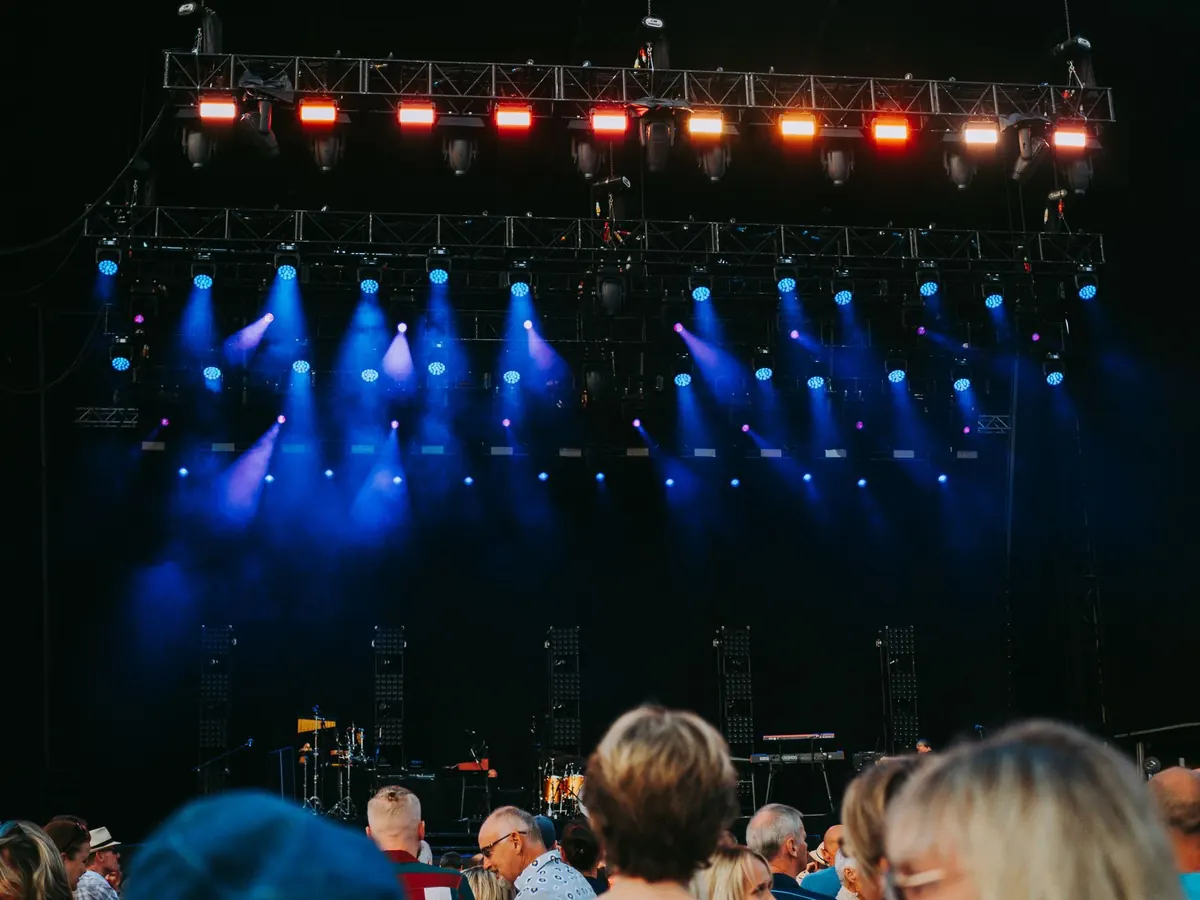
Late afternoon brings a second wave. Headline acts and evening events pull people in, and the approach roads get heavy again. If you're coming only for the evening, arriving as the daytime families leave is the easiest window of the whole day: seats open up, lines shorten, and you still have time to eat before the main event.
If you can only manage one visit
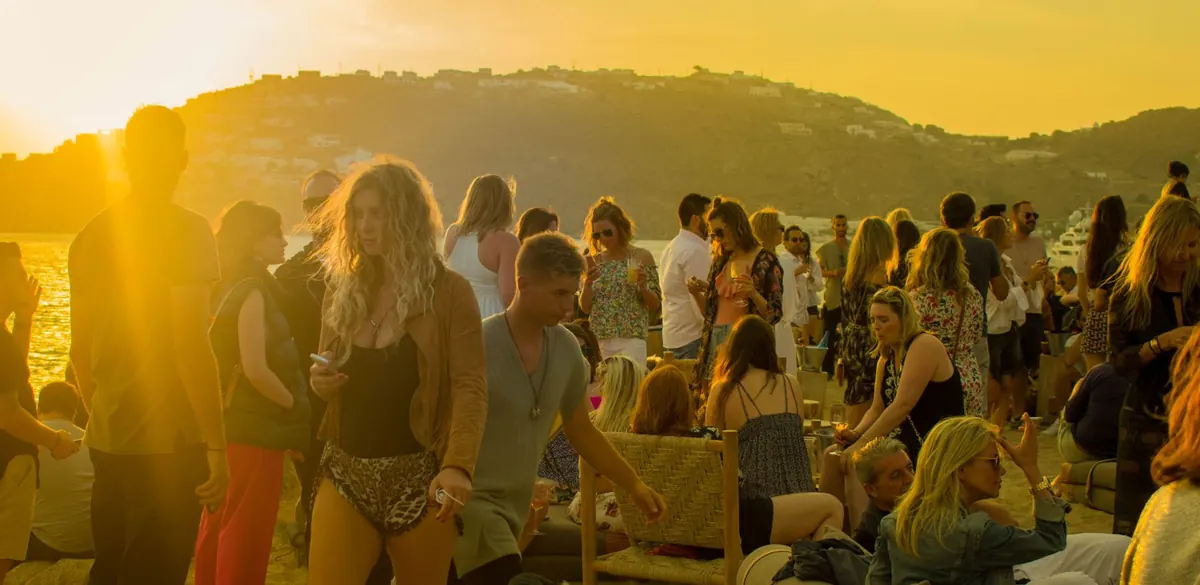
Come for the last three hours. You'll miss the craft tents and the children's activities, but you'll get the light on the water, the music and the fireworks without the crush.
Parking Without the Panic
Parking is the part most first-timers get wrong, usually because they drive toward the sound of the music. Don't. Decide where you'll park before you leave home, then walk. Roughly in order of convenience:
- Downtown garages a few blocks inland. Boring and reliable. They fill steadily through the morning, so earlier is better. Note the level and the stairwell letter before you walk away.
- Official festival lots with a shuttle. You avoid a long walk, but you'll queue for the return trip. Good if you have mobility issues or small children.
- Park-and-ride or transit from the edge of town. Almost always the calmest option. Check the last service of the evening before you commit.
- Residential streets. Only where parking is unrestricted, never across a driveway, never on a verge. Locals put up with a lot during festival week; don't be the reason they stop.
- A bike. If you're within a few miles, this beats everything. Use attended bike parking if there is any rather than locking to a railing.
Wherever you end up, photograph the nearest street sign and the car's position. At 11pm, in the dark, with a tired group, that photo is worth more than any map.
Food Stalls: Eat Off-Peak and Share
Food queues follow a predictable rhythm: the lunch rush, then the dinner rush. Both are avoidable. Eat at 11:15am or 4:30pm and you'll walk straight up to most stalls.
A few habits make the food side of the day much better. Split up — one person joins the queue while another finds somewhere to sit, because seating disappears long before the food does. Walk past the first row of stalls near the main entrance; the ones further along the site often serve the same food with half the wait. Buy one thing at a time and share it between two people, so you can try three or four stalls instead of committing to one enormous portion. And carry water; refill points are usually available, but the queues for drinks are longest exactly when you're thirstiest.
If you have allergies or dietary requirements, ask at the stall rather than trusting the sign. Menus change, and a busy outdoor kitchen is not the place to assume.
The Best Spots to Watch the Action
Where you stand changes the whole experience. Three options, each good for a different kind of day.
The waterfront edge
Best for boats, races and fireworks. Arrive early, because these spots are the first to go. Sit rather than stand if you can — the view over standing heads is much better from a low folding chair on a slope.
The bridge or any high point
Best for photographs and for seeing the scale of the whole event. You'll be further from the music, and the walk back takes longer, but you'll never lose the view to a taller person.
The quiet end of the site
Best with children, or anyone who needs to sit down. Walk to the far end, past the last stall, and you'll usually find grass, space and a decent sightline. Take a blanket.
The best seat at a waterfront festival is usually the one you claimed ninety minutes before you needed it.
What to Bring
- Folding chairs or a blanket, plus a light layer for after dark
- Refillable water bottles, sunscreen, hats
- A card and a little cash, in case a stall's signal drops
- Wet wipes, a small bag for your own rubbish, a plaster or two
- A phone number written on your child's wrist, and an agreed meeting point if anyone gets separated
Check the event's own rules before you pack — glass, large coolers and other prohibited items vary from year to year.
Getting Out Without Losing an Hour
The last ten minutes of any waterfront festival are the worst ten minutes of the day. Choose your exit before it starts. Either leave slightly before the finale and walk out while the paths are still clear, or stay put for twenty or thirty minutes and let the first wave go. Rushing mid-crowd with a tired child is the one guaranteed way to end a good day badly.
If you're waiting for a lift, walk several blocks away from the site first; pick-up points right at the gates are slow for everyone. And if you're driving, exit away from the main approach road even if it looks longer on the map. The side streets clear far sooner.
Do those few things and the day stops being a logistics puzzle. You park once, you eat well, you find a spot with a view, and you're home before midnight. First-timers who plan an hour ahead enjoy it as much as the regulars.
Photo: Osvaldo Coelho Jr. / Pexels