Norfolk's winter weather rarely announces itself with one dramatic storm. More often the trouble arrives quietly, overnight, during an ordinary cold snap: a pipe splits behind a kitchen cabinet, a car slides through an intersection that looked perfectly clear, a space heater that has run for years gets nudged a little closer to a curtain. Nearly every mess that follows a hard freeze traces back to something that could have been handled the day before. Here are the mistakes that cause the most trouble, and the fixes, which take less time than the repairs.
1. Leaving Pipes to Fend for Themselves
Pipes burst on the coldest night of a stretch, and usually in a spot nobody thinks about: a crawlspace, an unheated garage, the run along an exterior wall behind a sink, or the outdoor spigot someone used in November. Water expands as it freezes, and the damage often hides until the ceiling downstairs turns soft.
The work that prevents most of it fits into a single evening:
- Disconnect garden hoses, then shut off and drain outdoor spigots.
- Wrap exposed pipes in unheated spaces with pipe insulation or heat tape rated for the job.
- Seal gaps where pipes pass through exterior walls, and close foundation vents for the winter if your crawlspace is meant to be closed.
- Keep the thermostat at 55°F or above, day and night, even when you are away.
- Open the cabinet doors under sinks on exterior walls so indoor air reaches the pipes.
- During a hard freeze, let one or two faucets drip slightly. Moving water freezes more slowly.
- Find your main shut-off valve now, and make sure it actually turns.
If a pipe freezes, warm it gently with a hair dryer, warm towels, or a space heater kept a safe distance away. Never use an open flame. If a pipe has already split, shut off the main valve first, then call a licensed plumber.
2. Driving Like It Is Just Another Morning
Bridges and overpasses freeze before the road around them, which is why a route that feels fine for two miles can turn slick for fifty feet. That is the kind of surprise that fills body shops for a week.
A few habits make the biggest difference. Clear the whole car before you move — roof, hood, trunk, lights, mirrors. A sheet of snow sliding off your roof at 40 mph is a hazard for whoever is behind you. Leave double the following distance you normally would, brake early and gently, and skip cruise control entirely. All-wheel drive helps you start moving. It does nothing for stopping.
Keep a small kit in the trunk: scraper, blanket, gloves, flashlight, phone charger, water, and a bag of grit or cat litter for traction. If you do not have to be on the road during the worst of it, stay home. Nothing on your schedule is worth a slide into a guardrail.
3. Improvising Heat With Equipment That Was Never Meant for It
When the house will not warm up, the temptation is to drag out whatever is in the garage. That is where the serious injuries come from.
Space heaters need three feet of clear space on every side, should be plugged directly into a wall outlet rather than an extension cord, and should never be used to dry clothes or left running in an empty room or while you sleep. Generators belong outside, well away from windows, doors and vents — never in a garage or on a covered porch. Charcoal grills, camping stoves and a gas oven are not indoor heat sources; the carbon monoxide they produce is invisible and can kill.
If you burn any fuel in the house, a carbon monoxide alarm on every level is not optional. For gas appliances, boilers or anything you are unsure about, bring in a licensed technician rather than guessing.
4. Waiting for the Power to Go Out Before Getting Ready
Ice and wind bring lines down, and a cold house is a different problem than a dark one. The useful hour is the one before the storm.
- Charge phones, laptops and power banks.
- Fill water bottles and a kettle, especially if your water depends on a well pump.
- Check flashlights, batteries and candles, and know where they are.
- Refill prescriptions before the pharmacy loses power, not after.
- Set out blankets, warm layers and a manual can opener.
Once the power is out, keep the refrigerator and freezer closed. A closed fridge holds its temperature for a few hours; a full freezer holds it much longer. If the outage stretches on, use the cold outdoors as a freezer for a cooler of food. And under no circumstances bring a generator or grill inside "just to take the chill off."
5. Overlooking Pets, Plants and Neighbours
Outdoor cats and strays will climb under car hoods for warmth, so tap the hood before you start the engine on a freezing morning. Dogs that spend mild winters outside need shelter, bedding and unfrozen water, or a spot indoors. Walks on salted pavement are hard on paws; rinse them when you get back.
Potted plants should come inside or be wrapped, and tender shrubs benefit from a layer of mulch and a windbreak. Then there are the people. A knock on the door of an elderly neighbour, someone who lives alone, or anyone who depends on a medical device that needs power takes two minutes and matters more than anything else on this list.
6. Assuming the Thaw Ends the Risk
Melting snow refreezes overnight, which makes the morning after a thaw the iciest part of the whole event. Keep the faucet dripping until daytime temperatures stay reliably above freezing, and leave salt or grit by the door for the steps and path.
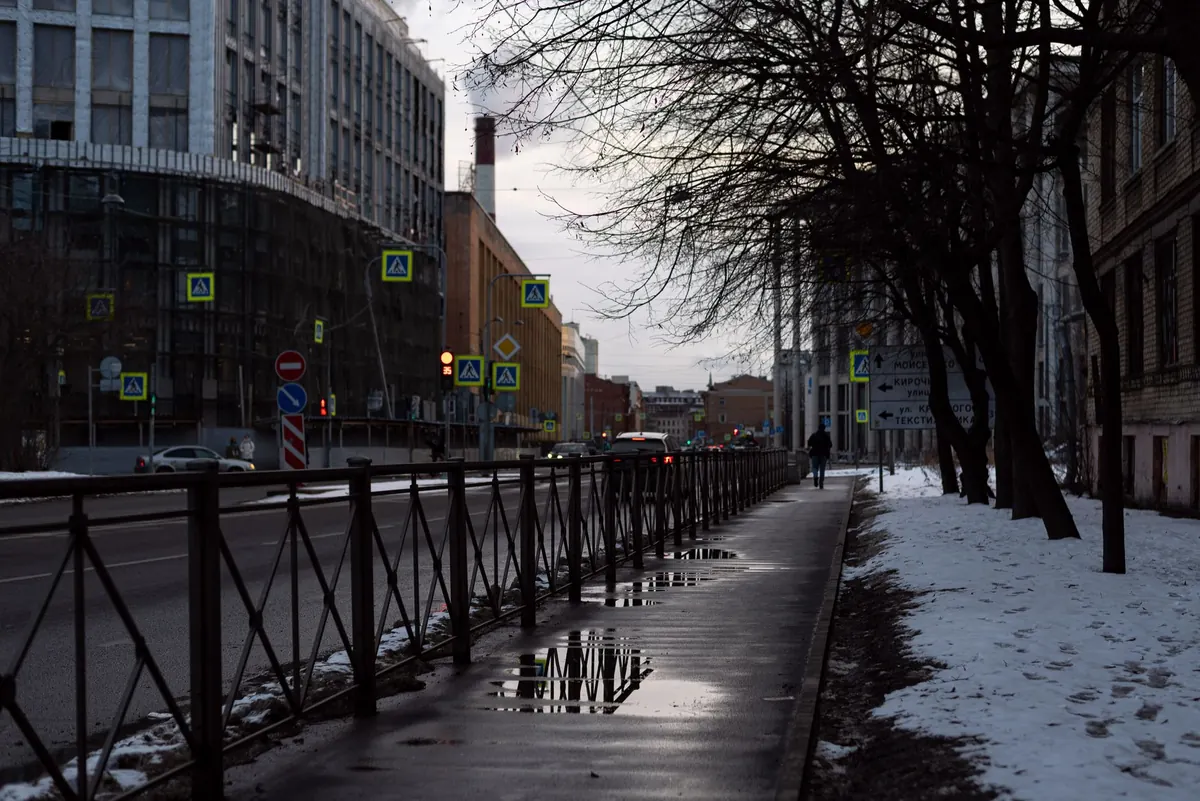
Meltwater and rain on frozen ground also pond in low spots and along the usual routes, and standing water on a road you do not know is not a gamble worth taking. Walk your property once things clear: check the crawlspace for damp, look at the pipes you insulated, and note anything that froze this time so you can fix it properly before the next cold snap.
A Short Routine Worth Keeping
None of this requires a generator, a stockpile or a weekend of work. A cold snap routine looks like this:
- Two days out: check the forecast, refill prescriptions, charge everything, and pick up salt or grit if you are low.
- The night before: disconnect hoses, drip one faucet, open cabinet doors, set the thermostat and put the car kit in the trunk.
- During: stay off the roads if you can, keep heat sources clear, and check on one neighbour.
- After: look for ice, keep the drip going one more night, and inspect the spots that froze.
Norfolk's cold spells are usually short. That is precisely why they catch people out — there is rarely enough warning to feel urgent, and plenty of cold to do real damage. Fifteen minutes before the temperature drops is the difference between a quiet week and a repair bill.
Photo: Vitali Adutskevich / Pexels